AFTER-SALES SUPPORT
Lifetime After-Sales Service
Fast response, practical engineering support and long-term assistance to help keep dispensing equipment stable and maintainable after delivery.
After-sales service is treated as an operating process around the full equipment life cycle, not a one-time promise.
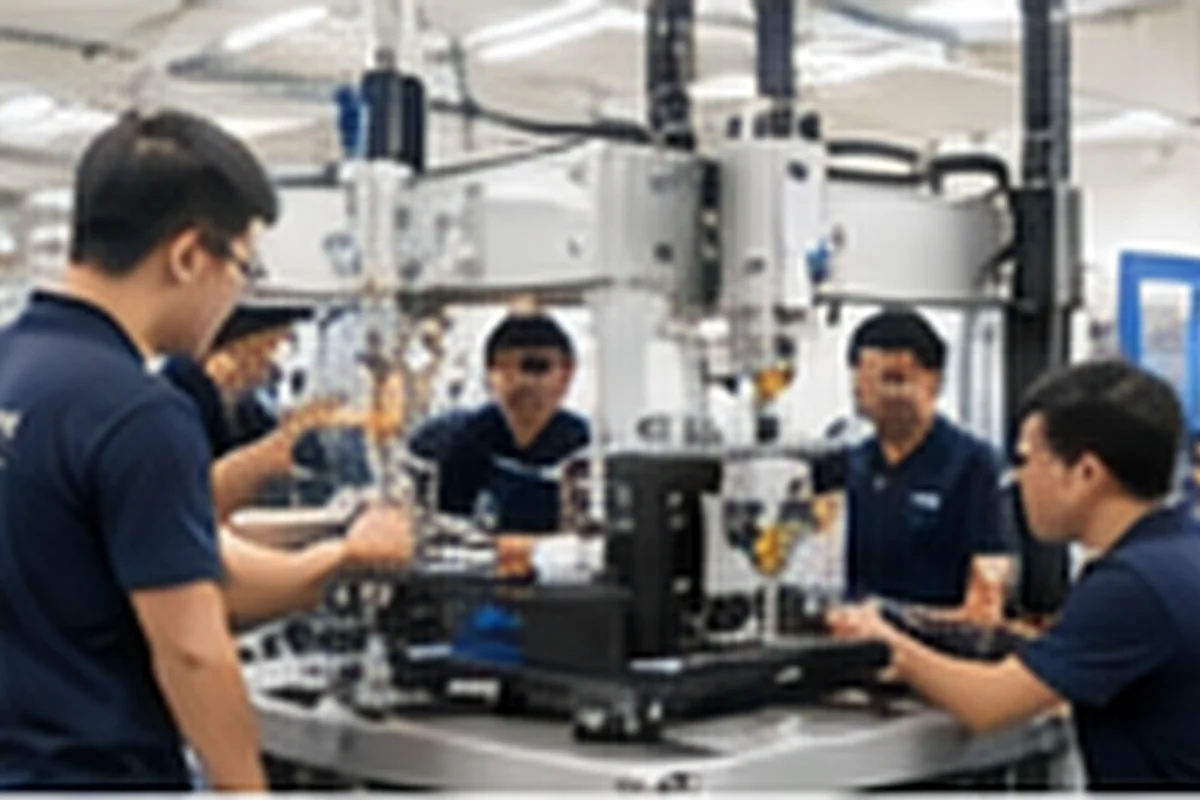
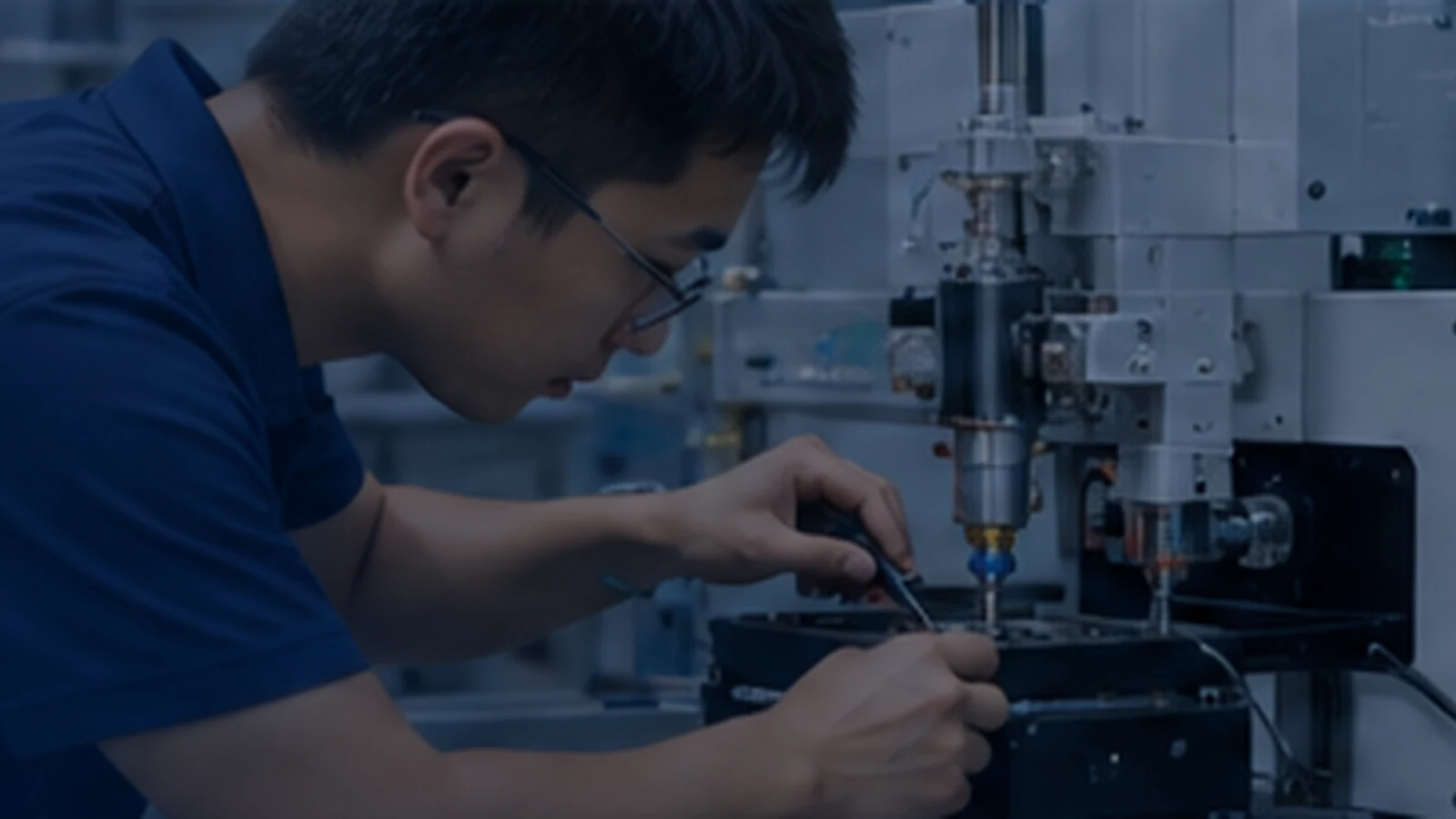
Support for installation, program confirmation, parameter checks and initial production runs.
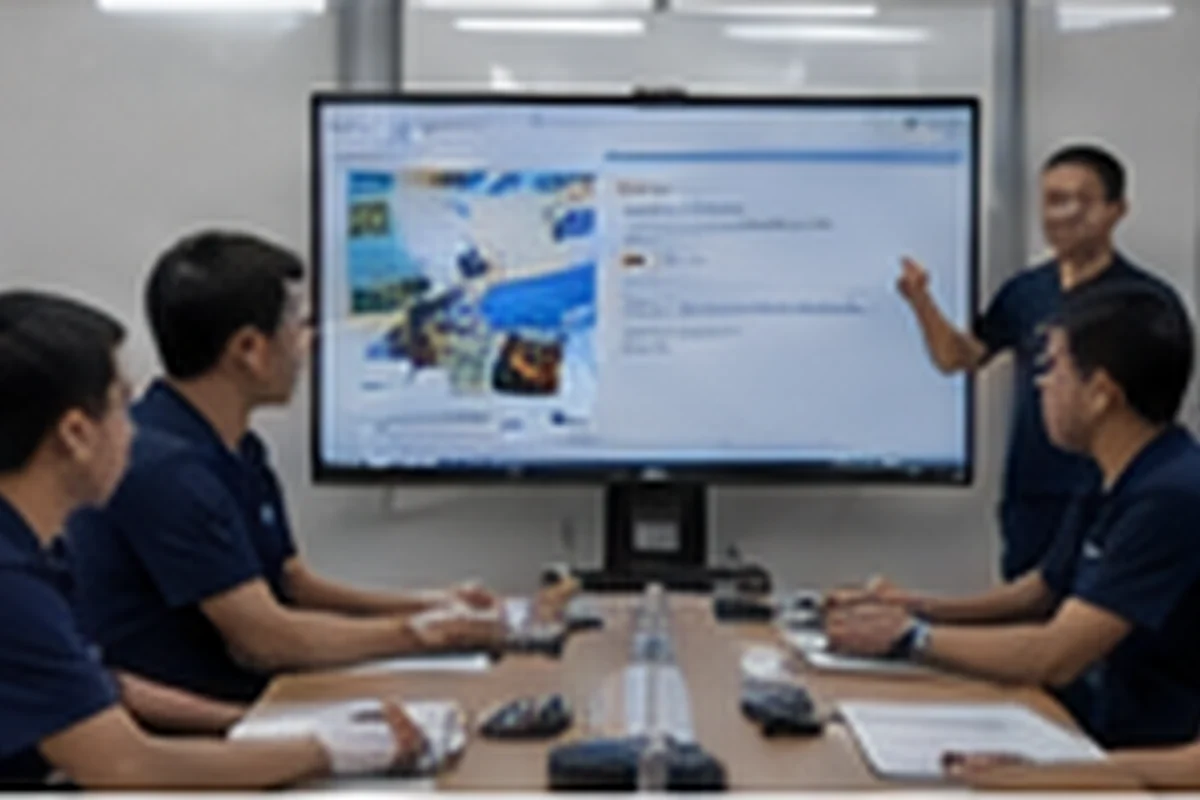
Training on operation, recipes, cleaning, daily inspection and basic maintenance.
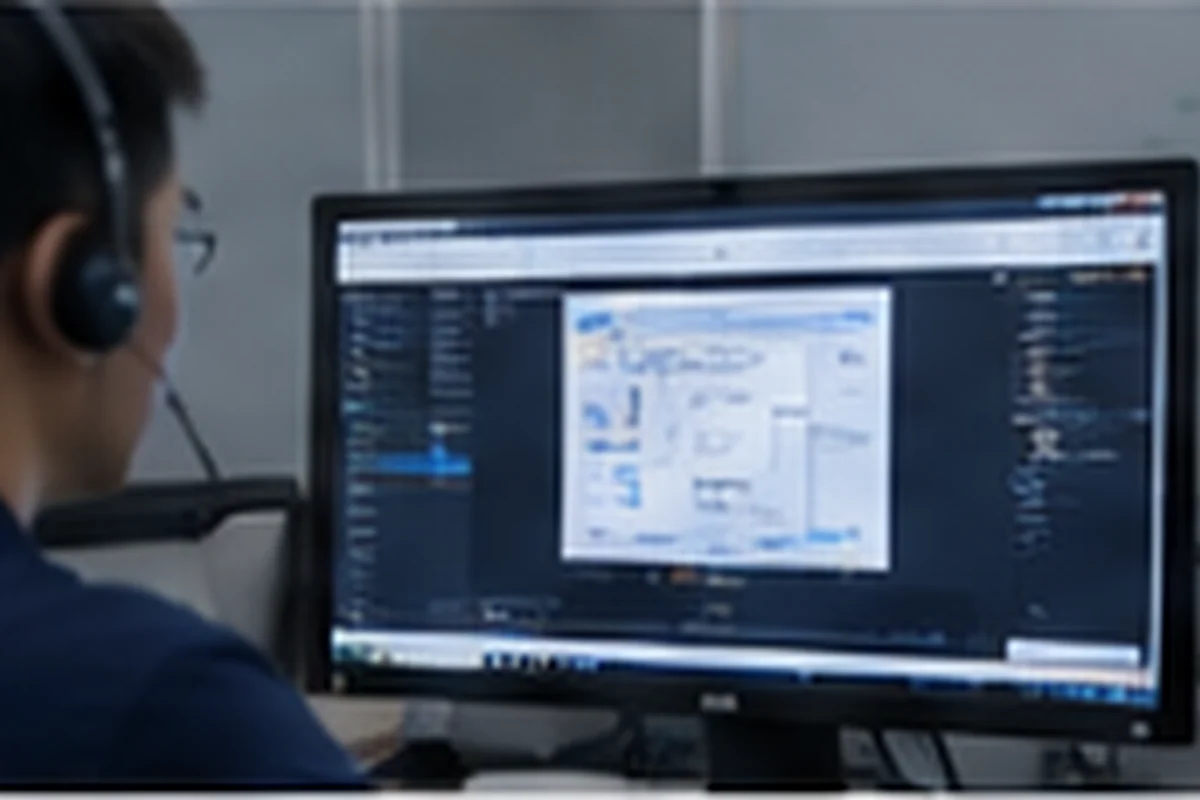
Video, phone, photos, remote desktop and operating data help speed up troubleshooting.
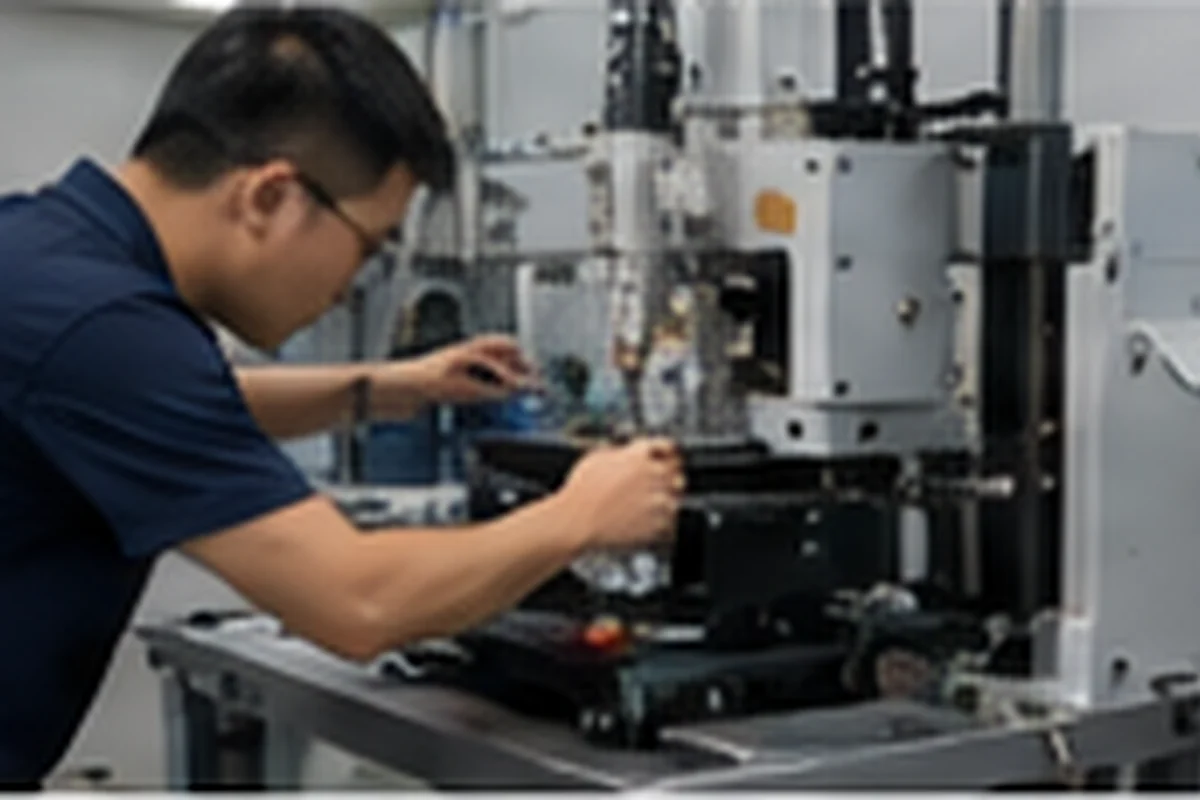
Preventive-maintenance guidance, diagnosis, repair support and equipment health checks.
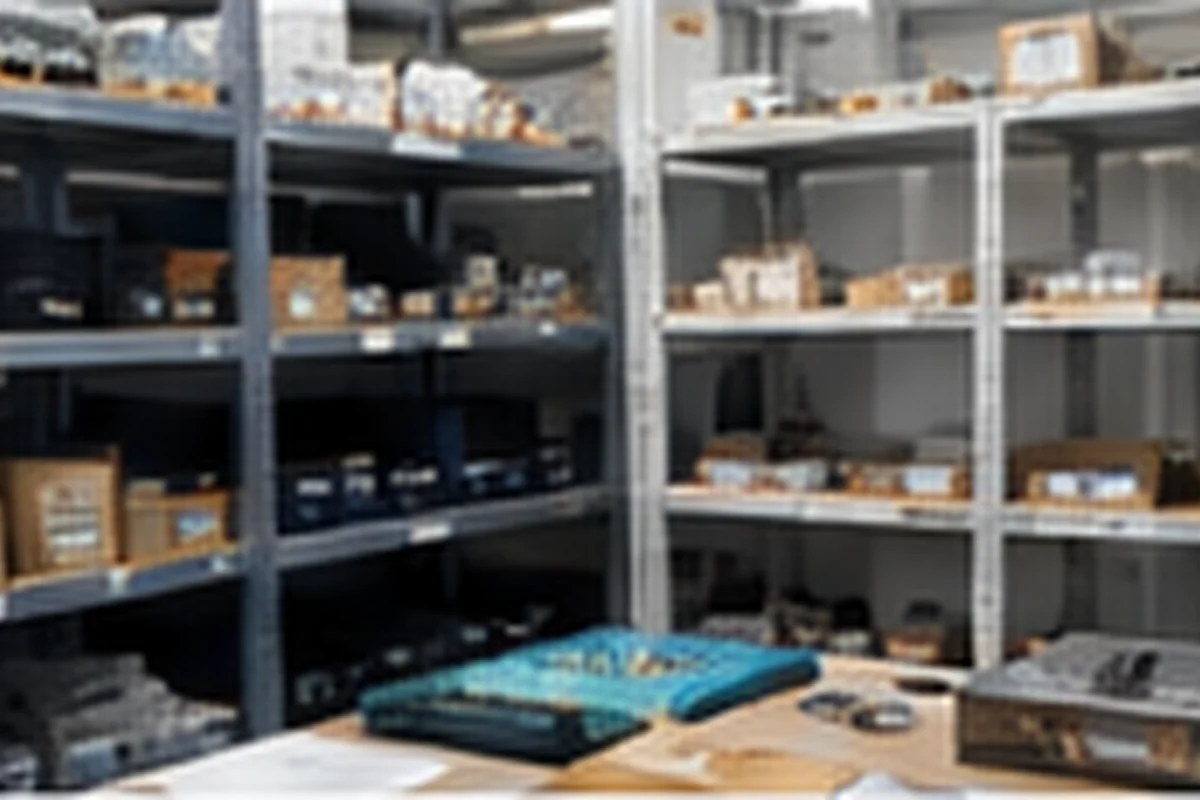
Recommended consumables and critical spare-parts lists help reduce waiting time.
A practical view of how support happens: installation, training, maintenance, inspections and spare-parts preparation.
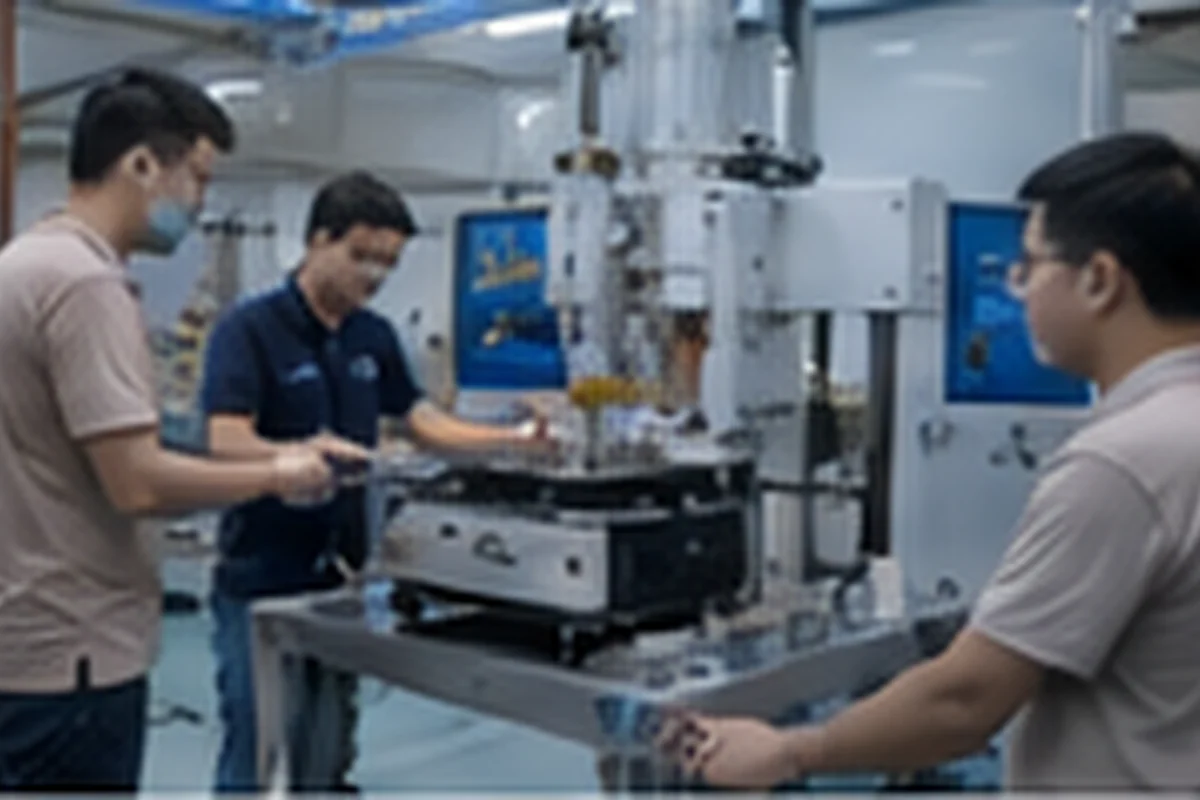
Engineers review machine operation, process parameters and site conditions during commissioning.
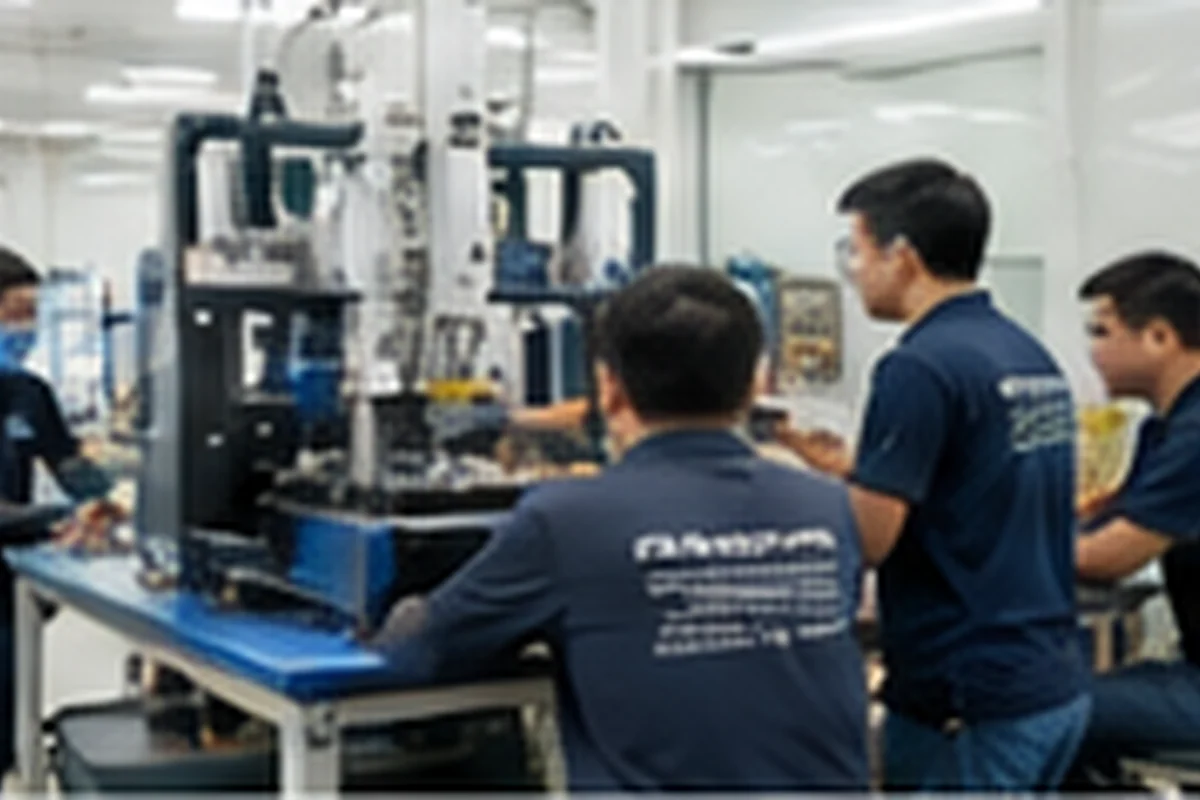
Training is organized around the actual workpiece and production requirements.
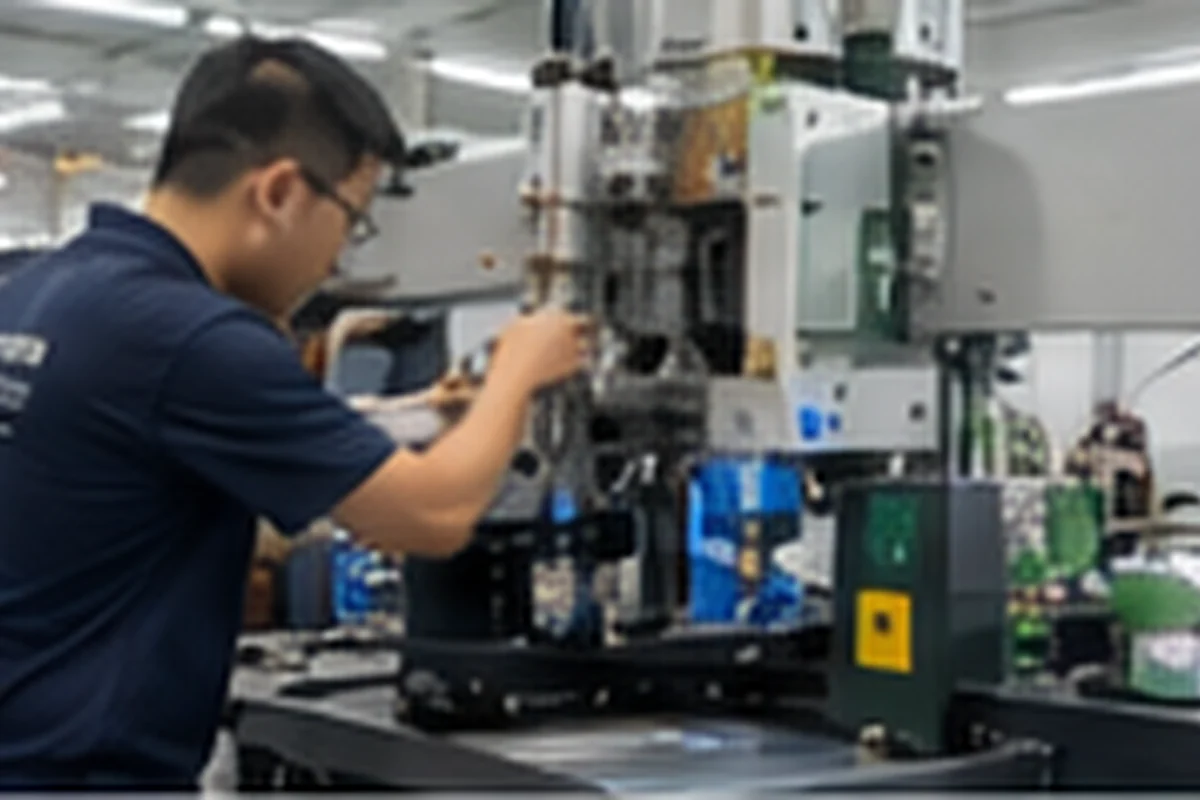
Regular checks and maintenance guidance help reduce unplanned downtime.
Critical consumables and spare parts can be planned according to machine configuration.
Images illustrate typical service scenarios. Exact scope and timing depend on the order and service agreement.
Working-hour inquiries are prioritized quickly. On-site timing depends on country, city, travel, visa, parts and the service agreement.
Yes. Video, remote desktop, photos, logs and parameter files can resolve many software, setup and process issues.
Long-term technical support, repair guidance, spare-parts matching and upgrade advice can continue; commercial terms depend on the order and service agreement.
Yes. Consumables, wear parts and critical spares can be recommended according to the specific machine configuration.
Send the machine model, issue description, photos or video so the diagnosis can start with useful information.